
Safer Festival Planning
A practical Canadian guide to festival safety, including weather, hydration, hearing, consent, substance-risk planning, and emergency response.
A great festival plan should make room for spontaneity without leaving safety to chance. A few decisions made before the gates open—how you will get home, where you will meet if the group separates, what the weather may do, and who will ask for help—can prevent a small problem from becoming an emergency.
Safer planning is not about draining the fun from the weekend. It is about protecting your energy, hearing, boundaries, and people so you can stay present for the experience. Venue rules and available services differ, so check the organizer’s current information and adapt this guide to the event, your health, and your needs.
This article provides general education, not medical advice. Follow event staff and local emergency guidance. If you have a health condition, take prescription medication, are pregnant, or have questions about heat, alcohol, cannabis, or another substance, speak with a qualified health professional.
Build the plan before you go
Start with the event’s official site or app. Confirm entry rules, permitted bag sizes, water-bottle policies, accessibility services, medical-tent locations, re-entry rules, transportation options, and the forecast. Outdoor conditions can change quickly; use official weather alerts and follow venue instructions if lightning, smoke, strong wind, or extreme heat affects the site.
Choose your way home before anyone begins drinking or using cannabis. Public transit, a festival shuttle, a sober designated driver, a taxi, a nearby hotel, or a planned pickup can all work. What does not work is deciding that someone “seems fine” to drive. Cannabis and alcohol can both impair judgement, coordination, and reaction time, and combining them can increase impairment.
Make a simple group plan. Share emergency contacts, choose a recognizable meeting point away from the busiest stage, and set one or two check-in times. Save the venue map to your phone in case reception becomes unreliable. If a friend leaves with someone or changes plans, ask them to message the group rather than disappearing without notice.
Pack for the conditions
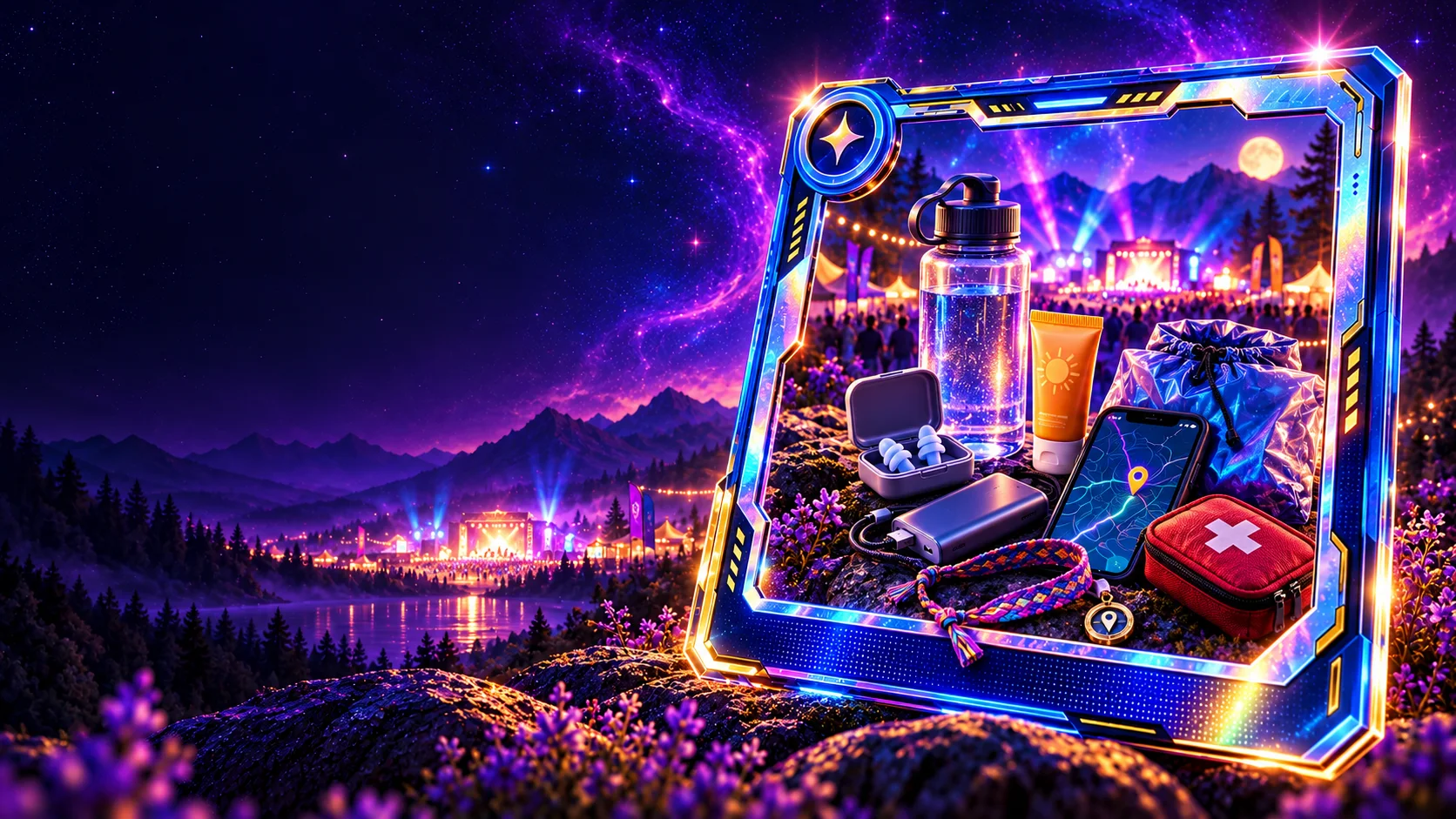
Pack light enough to move comfortably, but bring the items that prevent predictable problems. Review the venue’s prohibited-items list first; security may not allow every item at every event.
- Ticket, identification, and payment: download tickets before arriving, protect your ID, and keep one backup payment method separate from your main wallet.
- Water and sun protection: bring an empty reusable bottle if permitted, locate refill stations, and pack sunscreen, a hat, and sunglasses for daytime events.
- Weather layers: choose breathable clothing, comfortable footwear, and a compact rain layer or warm layer suited to the forecast.
- Hearing protection: use properly fitted musician-style or foam earplugs. Ordinary music earbuds are not hearing protectors.
- Phone essentials: carry a charged phone and portable battery, save the map and travel details offline, and enable emergency information on the lock screen.
- Personal health needs: bring required medication in its labelled container, plus any permitted mobility, allergy, menstrual, or sensory-support items you rely on.
- A small comfort kit: tissues, hand sanitizer, blister care, and a sealed snack can be useful when venue rules allow them.
Write the address of your accommodation and your group’s meeting point somewhere other than your phone. A dead battery should be inconvenient, not disorienting.
Manage heat, noise, and crowds
Heat strain can build before it feels dramatic, especially in direct sun, dense crowds, or after hours of dancing. Drink water regularly in hot conditions, take breaks in shade or a cooled space, wear lightweight clothing, and ease the pace when your body asks for it. Avoid rigid “one-size-fits-all” water targets: needs vary with weather, activity, health, and body size, and excessive water intake can also be harmful.
Early heat-exhaustion signs can include dizziness, headache, nausea, heavy sweating, cramps, unusual thirst, weakness, or rapid breathing and heartbeat. Move to a cooler place, loosen excess clothing, and drink water. Confusion, poor coordination, collapse, or very hot skin can signal heat stroke and require an immediate 911 call while the person is cooled.
Loud sound can damage hearing even when it does not feel painful. Wear earplugs near stages and speakers, give your ears quiet breaks, and step farther back if the sound becomes uncomfortable or leaves your ears ringing. Keep children’s hearing protection age-appropriate and correctly fitted.
In a tight crowd, notice exits and avoid pushing toward a bottleneck. If pressure builds, keep your arms near your chest to preserve breathing room, move with the flow toward the edge when possible, and alert security. If you feel panicked or overstimulated, tell a friend and move to a quieter, less crowded area rather than trying to force your way through alone.
Make substance safety part of the plan
The lowest-risk choice is not to use alcohol, cannabis, or other drugs. If you choose to use, decide your limits while sober and tell a trusted friend. Eat beforehand, pace alcohol, alternate with non-alcoholic drinks, and remember that caffeinated energy drinks can make you feel more alert without reducing alcohol-related impairment.
Avoid mixing alcohol, cannabis, medications, and other substances. Effects can be unpredictable, and crowded, hot environments add strain. Keep your own drink with you, do not accept an open container from someone you do not trust, and never pressure anyone to consume. Legal cannabis products provide labelled THC information, but they can still impair you; start with less, allow time for effects, and do not drive.
Unregulated substances may contain unexpected ingredients or vary in strength. Drug-checking services, where available, can provide useful information but cannot guarantee safety. Avoid using alone, carry naloxone, know how to use it, and tell your group where it is. Naloxone temporarily reverses an opioid overdose and will not replace emergency care—call 911 whenever an overdose is suspected.
If you take prescription medication, do not skip, double, or mix doses to fit the festival schedule without medical advice. Keep medication secure and never share it. Sleep loss can also change how alcohol, cannabis, medications, or other drugs affect you, so treat exhaustion as a real risk factor rather than something to push through.
Consent and looking out for each other
Consent must be freely given, informed, specific, and ongoing. It can be withdrawn at any time. A person who is asleep, unconscious, severely intoxicated, or unable to understand what is happening cannot consent. Clothing, flirting, a previous “yes,” or accepting a drink never creates permission for something else.
Check in clearly: ask, listen, and stop if the answer is uncertain. Friends can support one another without taking control—interrupt a situation if someone appears unsafe, involve event staff when needed, and avoid leaving an impaired person with a stranger. If someone discloses harassment or assault, believe them, respect their choices, and help them reach medical care, security, a sexual-assault support service, or police if they want that assistance.
Looking out for people also means respecting your own limits. You are allowed to leave a set, a campsite, a ride, or a social situation that feels wrong. Arrange a group phrase or message that means “call me” or “come get me” without requiring an explanation in the moment.
Know when to get help
Find the medical tent when you arrive, not when you need it. Festival medical teams would rather assess someone early than respond after a condition becomes severe. Be honest about symptoms and what the person may have taken; accurate information helps responders choose safer care.
Call 911 or get event medical staff immediately for trouble breathing, blue or grey lips, seizure, chest pain, collapse, loss of consciousness, severe confusion, suspected heat stroke, or a person who cannot be woken. If an opioid overdose is possible, give naloxone according to the kit instructions, follow the dispatcher’s directions, and stay with the person until help arrives.
Do not leave an unwell person to “sleep it off.” Keep the area around them safe, protect them from falls and crowding, and watch their breathing. Do not force food, water, or a cold shower on someone who is unconscious or confused. If they are breathing but unconscious, a trained responder or emergency dispatcher can guide you on positioning and next steps.
The best festival plan is simple enough to use: prepare for the conditions, stay connected, respect consent, notice changes early, and ask for help without shame. You do not need to predict every problem. You only need a few reliable tools and people who agree that getting everyone home safely is part of a good night.
- Health Canada: staying healthy in the heat
- Health Canada: reducing alcohol-related risk
- Government of Canada: cannabis impairment and driving
- Health Canada: naloxone questions and answers
- Women and Gender Equality Canada: understanding consent
- Canadian Centre for Occupational Health and Safety: hearing protection